
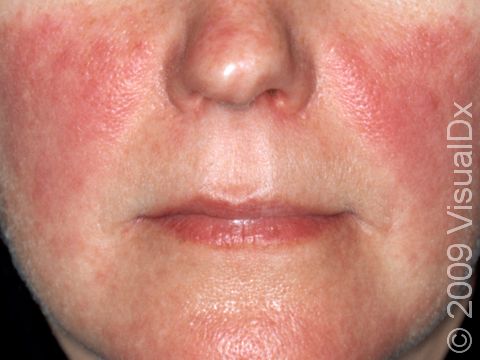
Systemic Lupus Erythematosus
Systemic lupus erythematosus, often simply called lupus, is a chronic inflammatory disease that can affect almost any part of the body, especially the skin, joints, kidneys, heart, lungs, bones, blood, or brain. Systemic lupus erythematosus is considered an autoimmune disorder, meaning that a person’s own immune system attacks their healthy cells and tissues, causing inflammation and damage.
Because systemic lupus erythematosus can affect any organ system, no two people have identical forms of the disease. However, most people with systemic lupus erythematosus report periods of time in which their symptoms seem to be mild or absent (remission) and other periods of time when the inflammation is more severe (flare or relapse).
Who's At Risk?
Systemic lupus erythematosus can occur in people of any age, race / ethnicity, or sex. However, it is far more common in women, especially those aged 15-45 years, and especially Black women.
Although it is not directly inherited, lupus and other autoimmune diseases may run in families. Inheriting certain genes may make some people more susceptible to developing lupus.
In addition, certain environmental factors may trigger lupus in those who have a genetic tendency toward the disease, including:
- Ultraviolet light, especially sunlight.
- Certain medications, especially hydralazine and procainamide.
- Infections.
- Antibiotics, especially penicillins and sulfa-containing medicines.
- Stress.
- Hormonal changes, especially related to pregnancy and menstrual cycles.
Signs & Symptoms
Approximately 70%-80% of people with systemic lupus erythematosus have skin symptoms. The most common locations for the skin lesions of systemic lupus erythematosus include the:
- Face, especially the cheeks and nose.
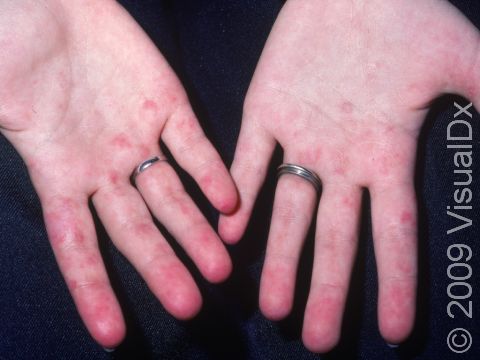
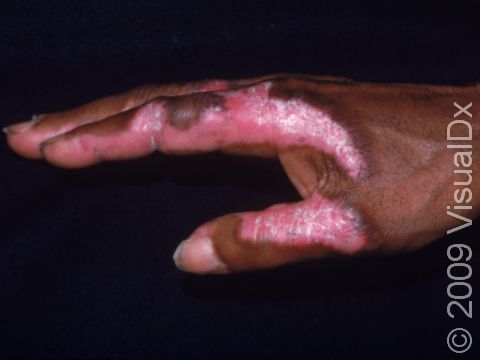
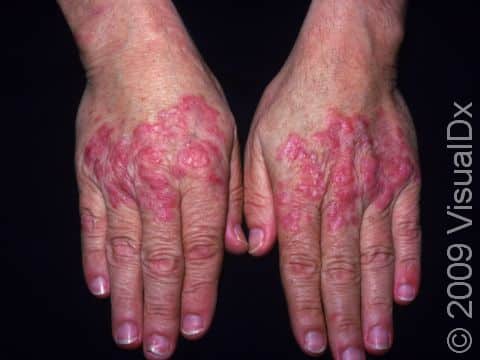
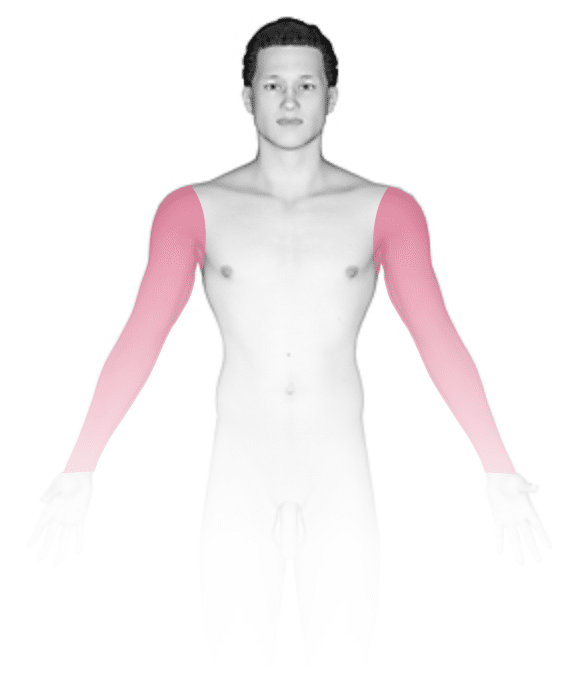
- Sun-exposed skin on the arms, backs of hands, upper chest, and upper back due to increased sensitivity to sunlight (photosensitivity).
- Fingers and fingernails.
- Inside the mouth or nose.
- Scalp.
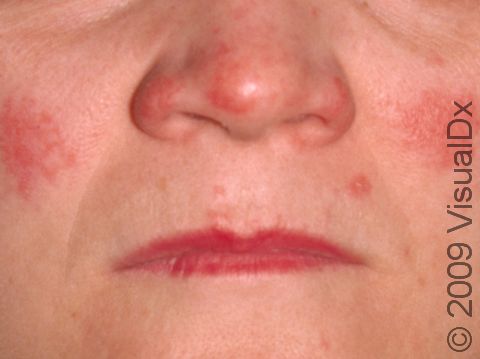
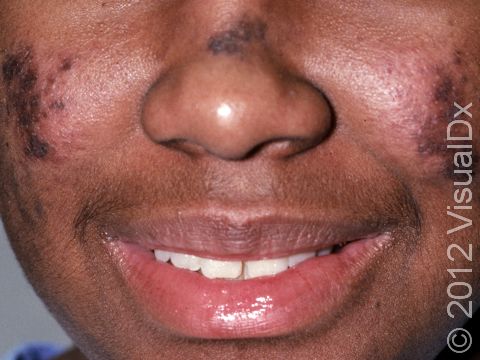
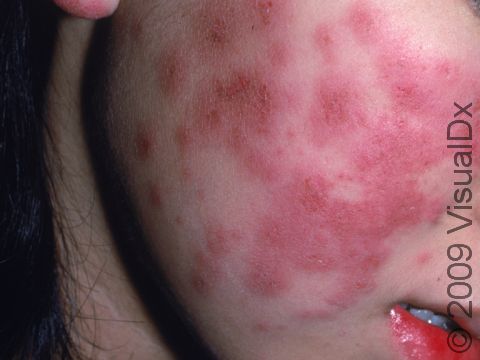
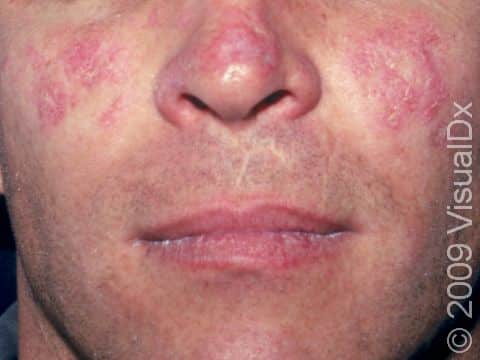
The classic skin finding in systemic lupus erythematosus is the malar blush, commonly called the “butterfly rash.” Redness across the cheeks and bridge of the nose can occur after sun exposure and may appear several weeks before other symptoms develop.
The rash appears as red, scaly patches (flat areas larger than a thumbnail). In darker skin colors, the redness may be subtle or may appear purple or brown.
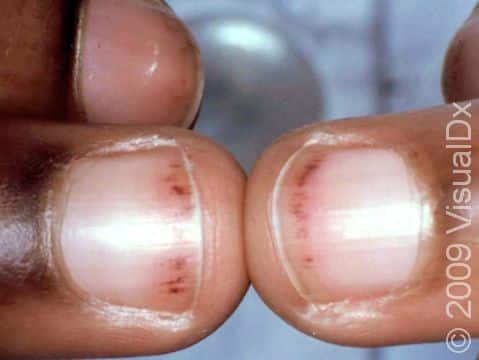
The skin around the fingernails can be inflamed, and tiny, dilated blood vessels may be seen. In addition, people may develop Raynaud phenomenon, in which the fingers (and sometimes toes) turn pale, blue and reddish, and numb after exposure to cold temperatures.
Small, painless ulcers (wounds or sores that are missing skin) can develop in the nose or, more commonly, in the mouth, especially on the roof of the mouth.
When lupus affects the skin on the scalp, there may be hair loss in the area. It may be patchy, or there may be thinning across the scalp, especially at the temples.
In addition to the skin lesions of lupus, people may have:
- Joint pain or swelling, especially in hands, wrists, and knees.
- Blood problems, including anemia and clotting disorders.
- Kidney disorders.
- Lung problems, such as painful breathing.
- Seizures or other brain disorders.
- Swollen lymph glands.
- Fever.
- Fatigue.
Self-Care Guidelines
If you have systemic lupus erythematosus, several measures can help prevent flares:
- Avoid intense sun exposure.
- Apply sunscreen that blocks UVB and UVA rays (ie, broad spectrum) with SPF 30 or higher every day.
- Maintain healthy habits such as resting well, eating a balanced diet, and exercising regularly.
- Reduce stress.
- Avoid smoking and limit alcohol use.
Treatments
In addition to a careful review of your medical history, your medical professional may perform blood tests, urinalysis, chest x-ray, or other imaging tests, depending on which organ systems are involved, before confirming the diagnosis of lupus. If you have a rash that is suspicious for lupus, you may need a skin biopsy.
Treatment depends greatly on which organs are affected and how severe your symptoms are. In general, however, the following oral medications are frequently used for lupus:
- Antimalarial drugs such as hydroxychloroquine
- Glucocorticoids
- Anti-inflammatory medications such as aspirin, ibuprofen, naproxen, or indomethacin
- Immune-suppressing medications including methotrexate, mycophenolate mofetil, azathioprine, cyclophosphamide, cyclosporine
Other medications that are sometimes used for lupus include belimumab, rituximab, and anifrolumab.
Visit Urgency
See your medical professional if you develop a rash with fever and fatigue.
Trusted Links
References
Bolognia J, Schaffer JV, Cerroni L. Dermatology. 4th ed. Philadelphia, PA: Elsevier; 2018.
James WD, Elston D, Treat JR, Rosenbach MA. Andrew’s Diseases of the Skin. 13th ed. Philadelphia, PA: Elsevier; 2019.
Kang S, Amagai M, Bruckner AL, et al. Fitzpatrick’s Dermatology. 9th ed. New York, NY: McGraw-Hill Education; 2019.
Last modified on June 26th, 2026 at 3:07 pm
Not sure what to look for?
Try our new Rash and Skin Condition Finder