
Electrodesiccation
Electrodesiccation is a simple in-office procedure that uses electric current via a needle-shaped probe to superheat the skin in a targeted area.
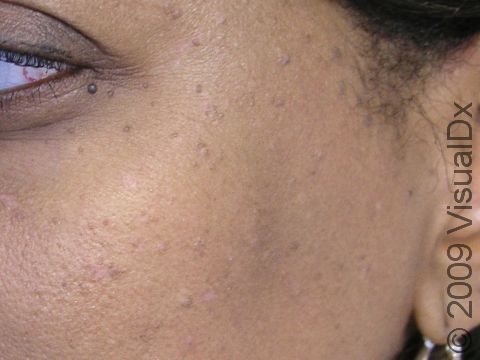
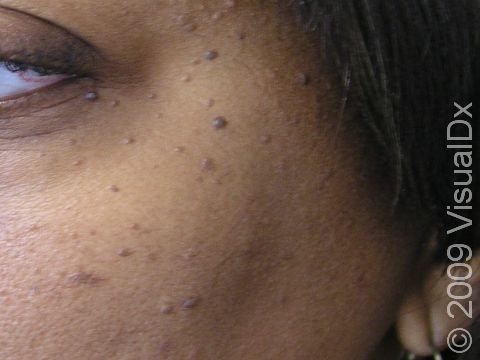
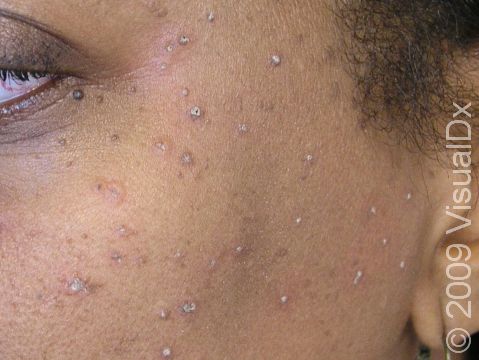
Electrodesiccation can be used to remove individual small skin lesions, such as acrochordons (skin tags), dermatosis papulosa nigra, warts, and small spider angiomas. It can also be used to stop bleeding by cauterizing blood vessels following a procedure such as curettage, where a spoon-shaped instrument is used to scrape away skin cells, including noncancerous, precancerous (actinic keratoses), and some cancerous skin growths (such as some early basal cell and squamous cell carcinomas).
What to Expect During Your Visit
At the time of the procedure, the area to be treated is cleaned with an antiseptic. The medical professional will then sometimes numb the area with a local anesthetic injected into the skin. The electrocautery device has a pen-like instrument with a metal probe at the tip, and the metal portion is placed very close to the skin. The medical professional will push a button, allowing electricity to flow and superheat the area of skin.
Immediately after the procedure, a topical antibiotic or petroleum jelly (eg, Vaseline) with a clean dressing will be applied.
What to Expect After Your Visit
Following electrodesiccation, there will be a shallow wound present, which will then heal on its own. There may be some mild bleeding and oozing from the area for a day or two. There may also be pain after the local anesthetic wears off, but this is usually easily controlled with pain reliever such as acetaminophen (eg, Tylenol).
Follow-Up Care
Your medical professional will explain what follow-up care is appropriate in your case, but generally, the wound should not be washed for the first 24-48 hours to allow the area to start healing properly. Then, you will be able to cleanse the area with gentle soap and water, and a bandage with petroleum jelly or antibiotic ointment can be applied daily, with gentle cleansing in between bandage changes, until the skin heals.
Risks and Potential Side Effects
Risks associated with electrodesiccation are rare but include:
- Infection.
- Bleeding.
- Scarring.
- Recurrence of the lesion.
- Pacemaker malfunction – Electrodesiccation is usually not recommended for patients with implanted electrical devices.
When to Seek Medical Care
Contact your medical professional if there are signs of infection (such as pain, spreading redness, or fever), or if the lesion the electrodesiccation was used to treat comes back.
References
Frank M, Benedetto AV. Electrosurgery and hemostasis. In: Kantor J. Dermatologic Surgery. McGraw-Hill Education; 2018.
Hainer BL. Electrosurgery for the skin. Am Fam Physician. 2002 Oct 1;66(7):1259-66. PubMedId: 12387438.
Vujevich JJ, Goldberg LH. Cryosurgery and electrosurgery. In: Kang S, Amagai M, Bruckner AL, Enk AH, Margolis DJ, McMichael AJ, Orringer JS, eds. Fitzpatrick’s Dermatology. 9th ed. New York, NY: McGraw-Hill Education; 2019.
Last modified on May 15th, 2024 at 5:02 pm
Not sure what to look for?
Try our new Rash and Skin Condition Finder